Building the intelligence for safer, smarter driving.

Delivering low-cost L2+ driver assistance with a scalable AI stack built for automotive companies and laying the foundation for the autonomous future.

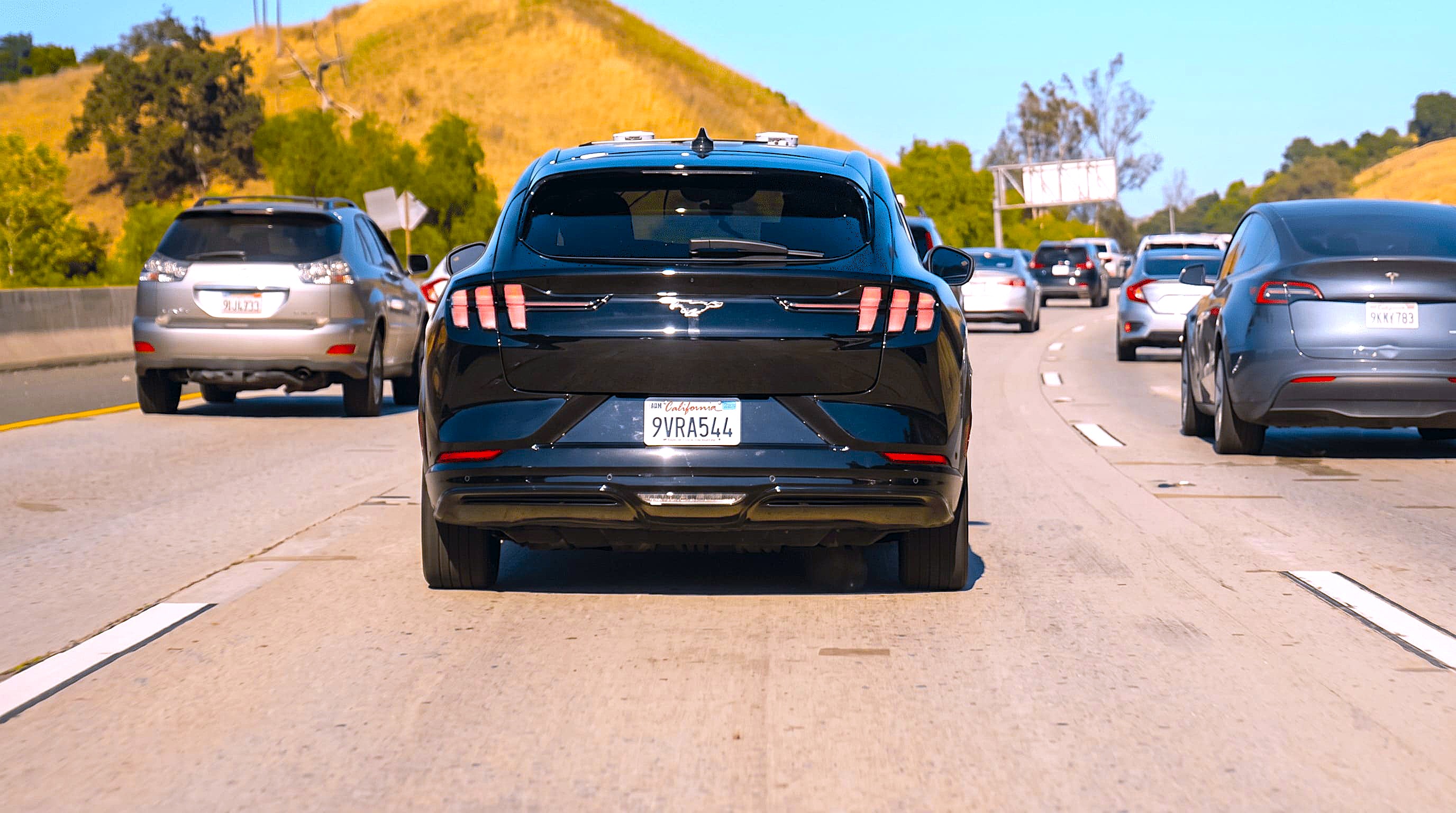
1128+
Real-world miles, system engaged
25.3+ h
Hours of engaged driving
3.54M+
Frames logged
70 mph
Top engaged speed

Today's L2 ships frozen — rule-based, sold by the option package, locked in a supplier black box, and rarely updated for the life of the car. Hands-free works only on pre-mapped highways; everywhere else, lane-centering wanders, adaptive cruise hunts, and it hands control back the moment the road gets unpredictable.
Technology

Real capabilities,
proven on public roads

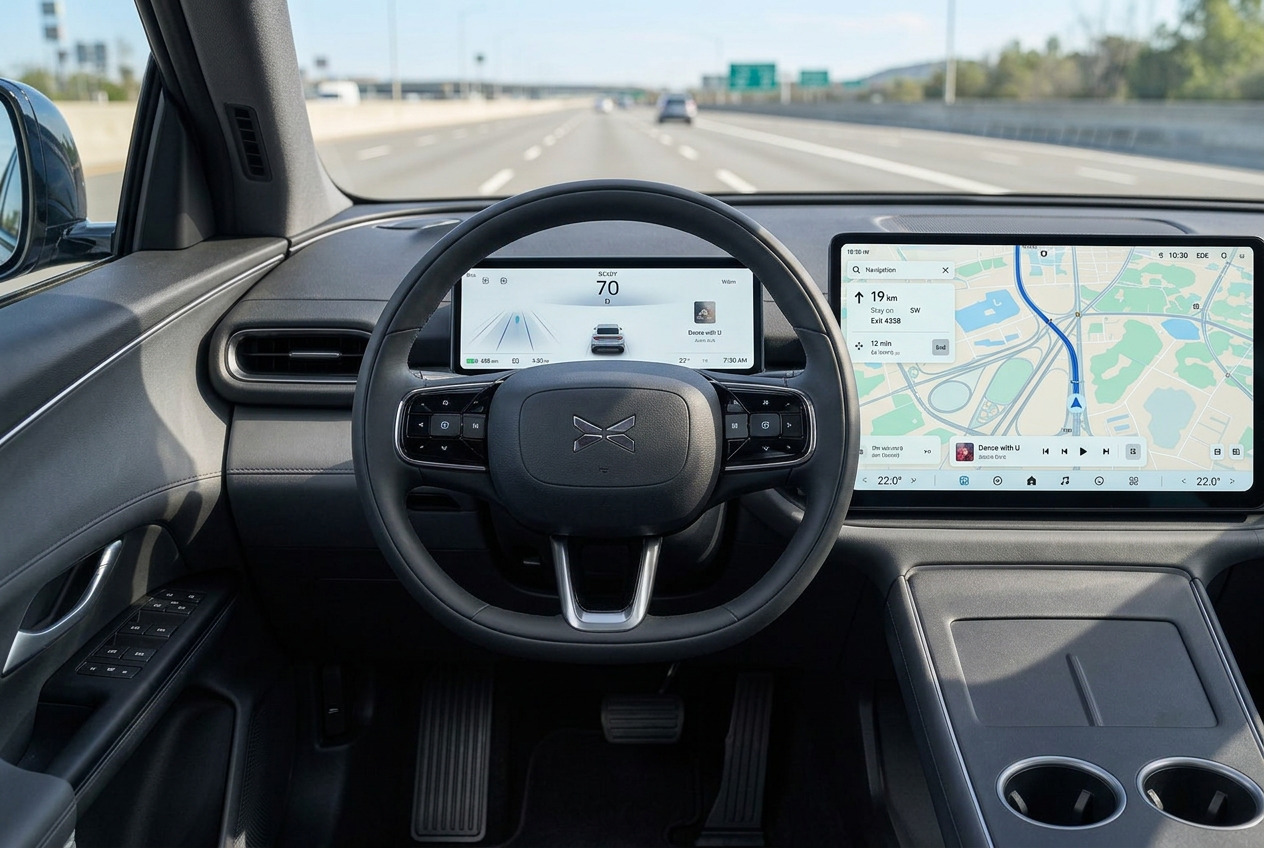
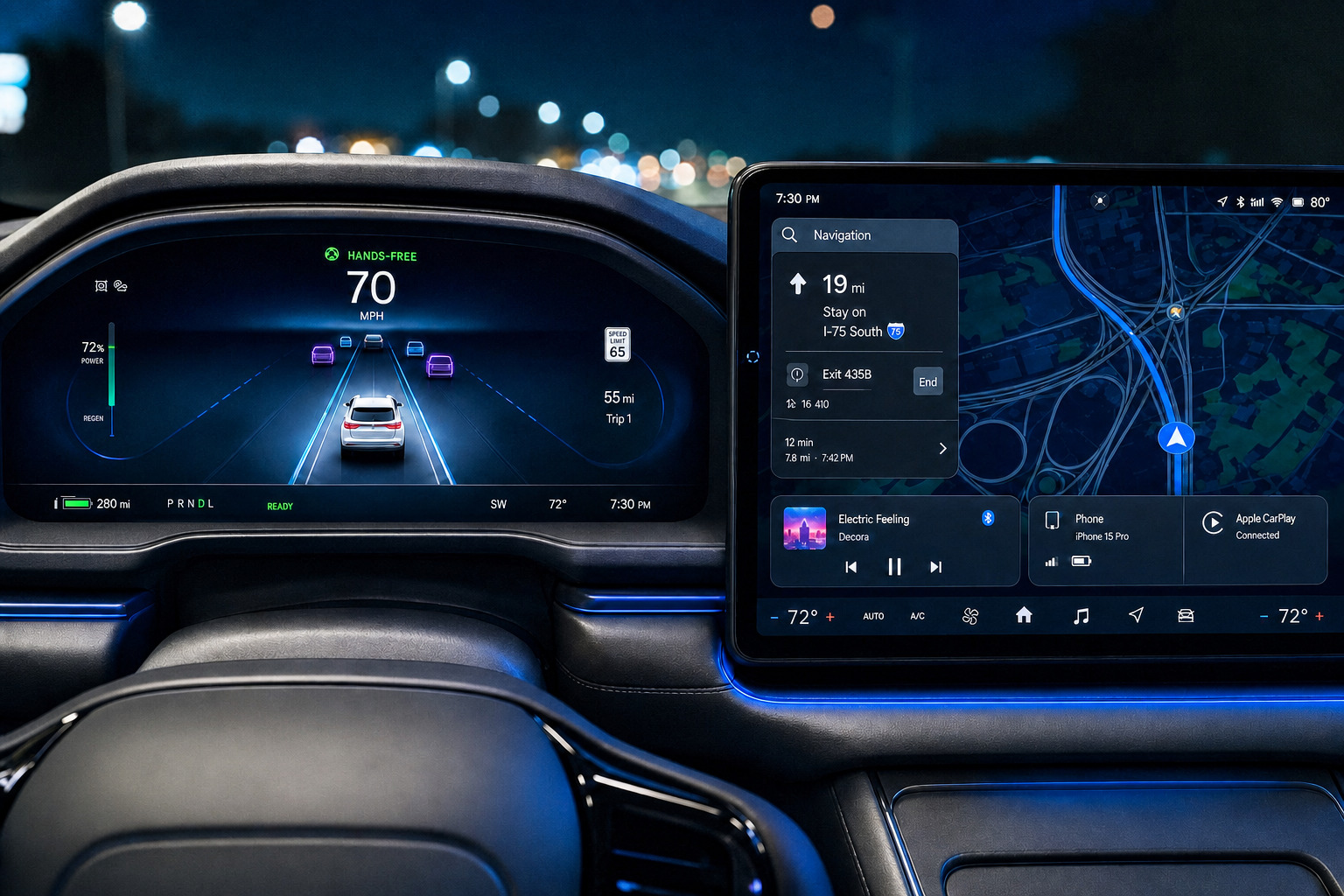
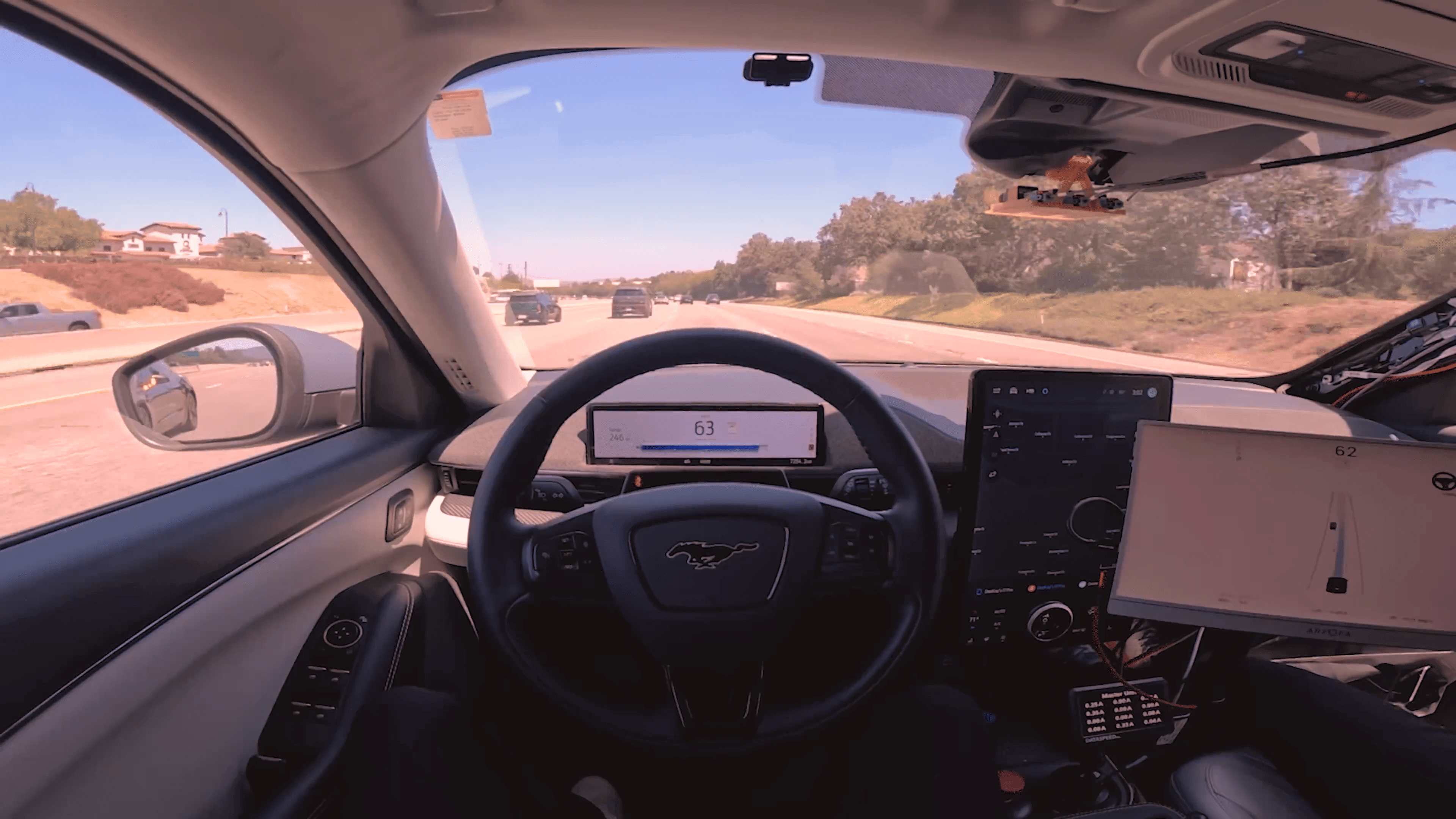
Driver display showing lane keeping engaged at 70 mph
Lane Keeping

Centered, through the curves

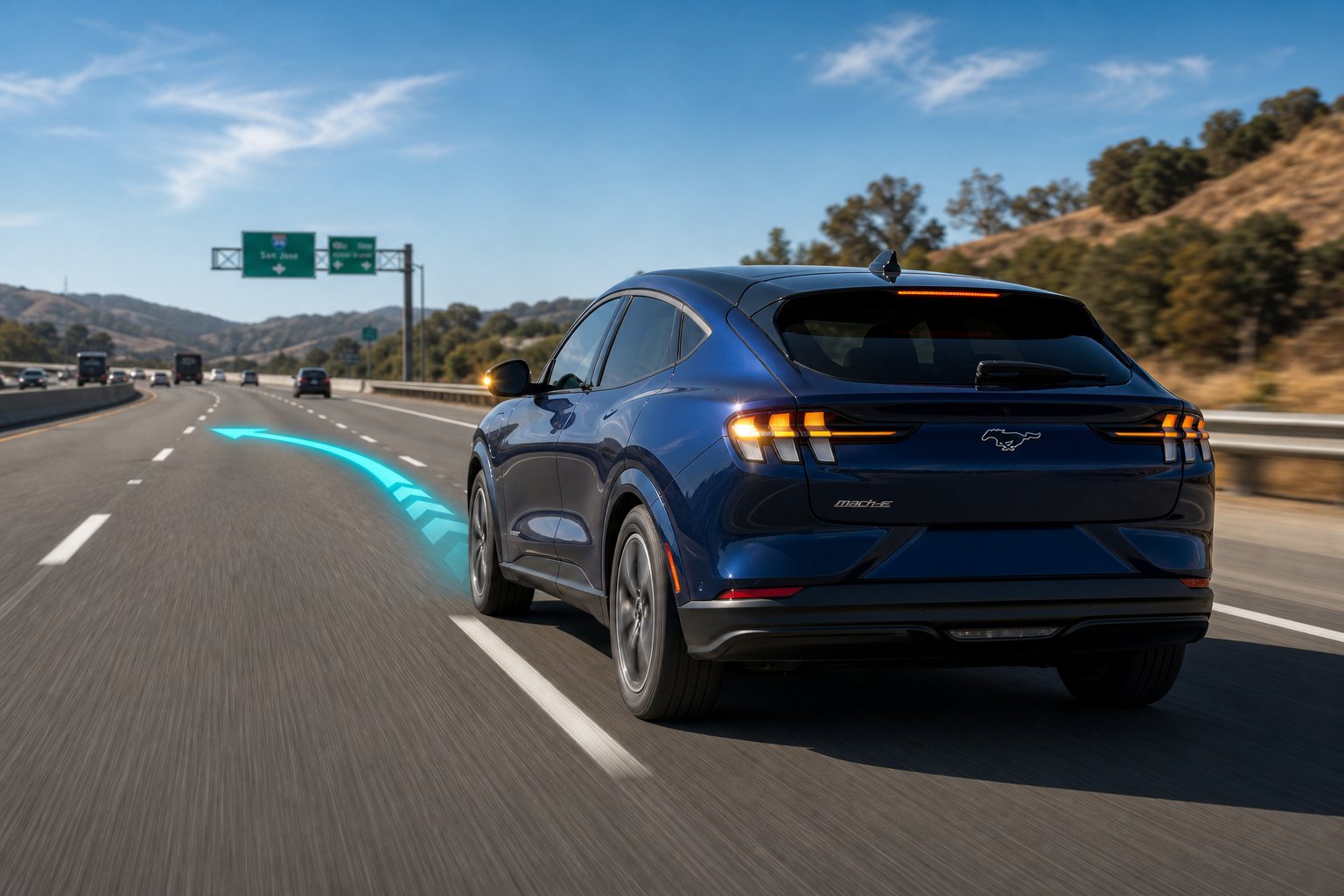
Automated lane change on the freeway
Lane Change Assist

Signal, and it moves

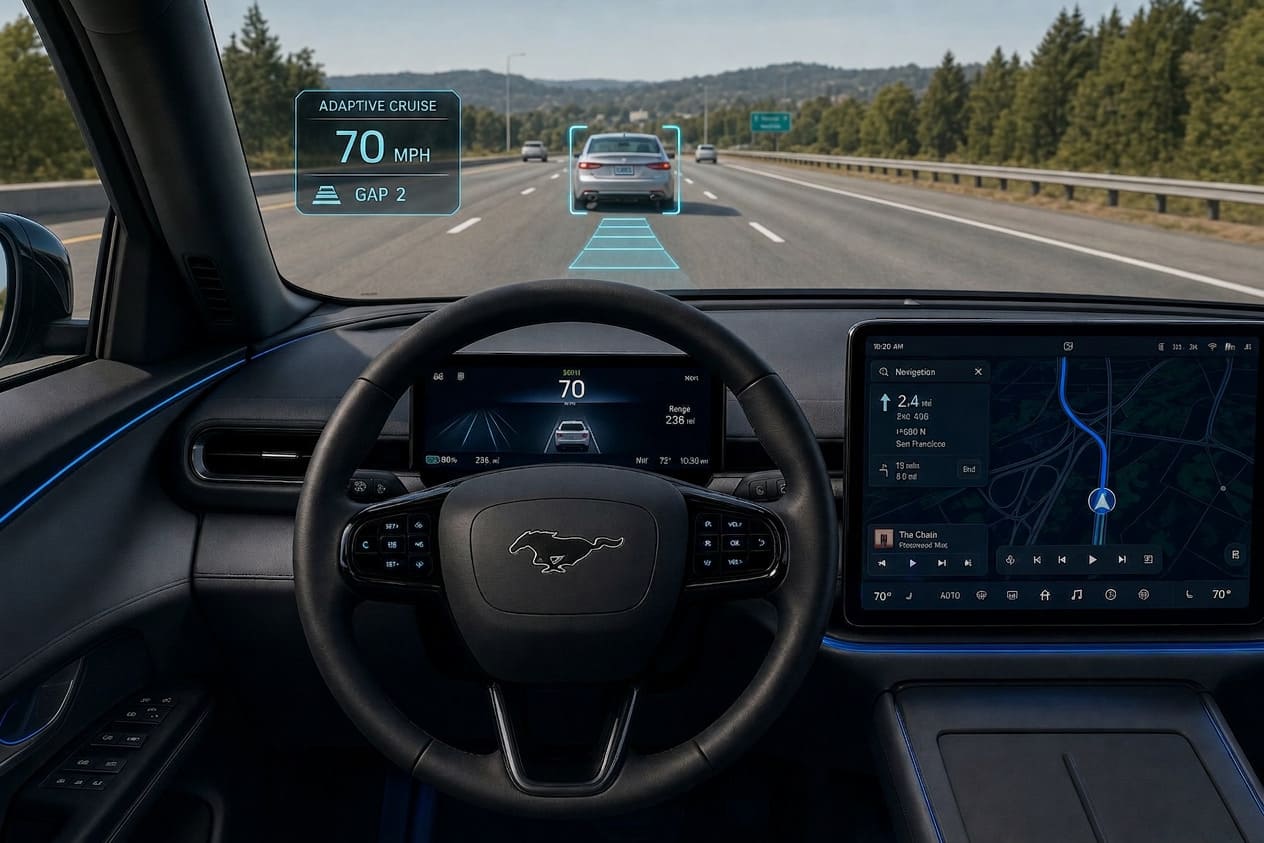
Adaptive cruise control following a lead vehicle at a set gap
Adaptive Cruise

Follows at your gap

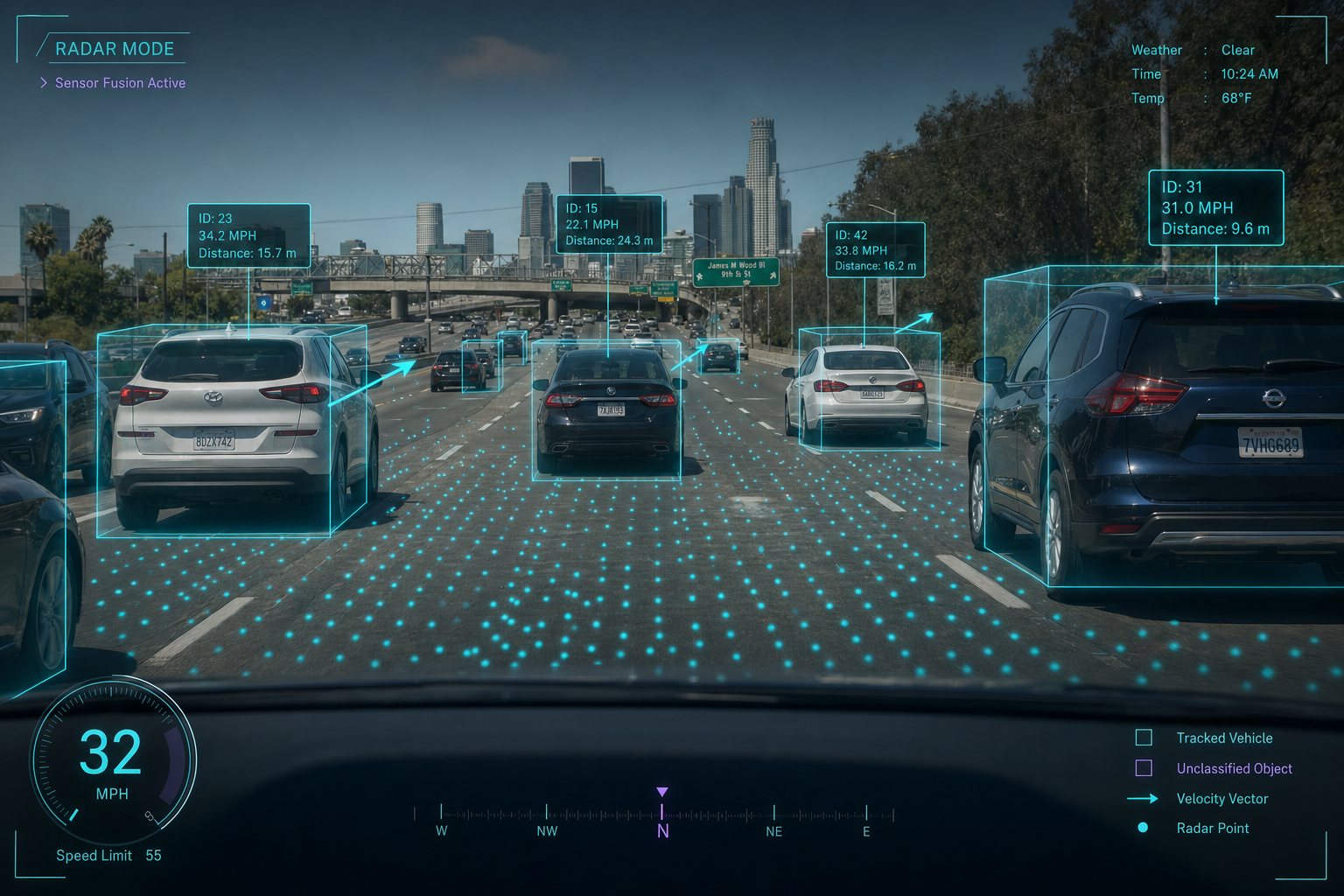
Real-time radar object tracking with velocity vectors
Object Tracking

Every vehicle, accounted for

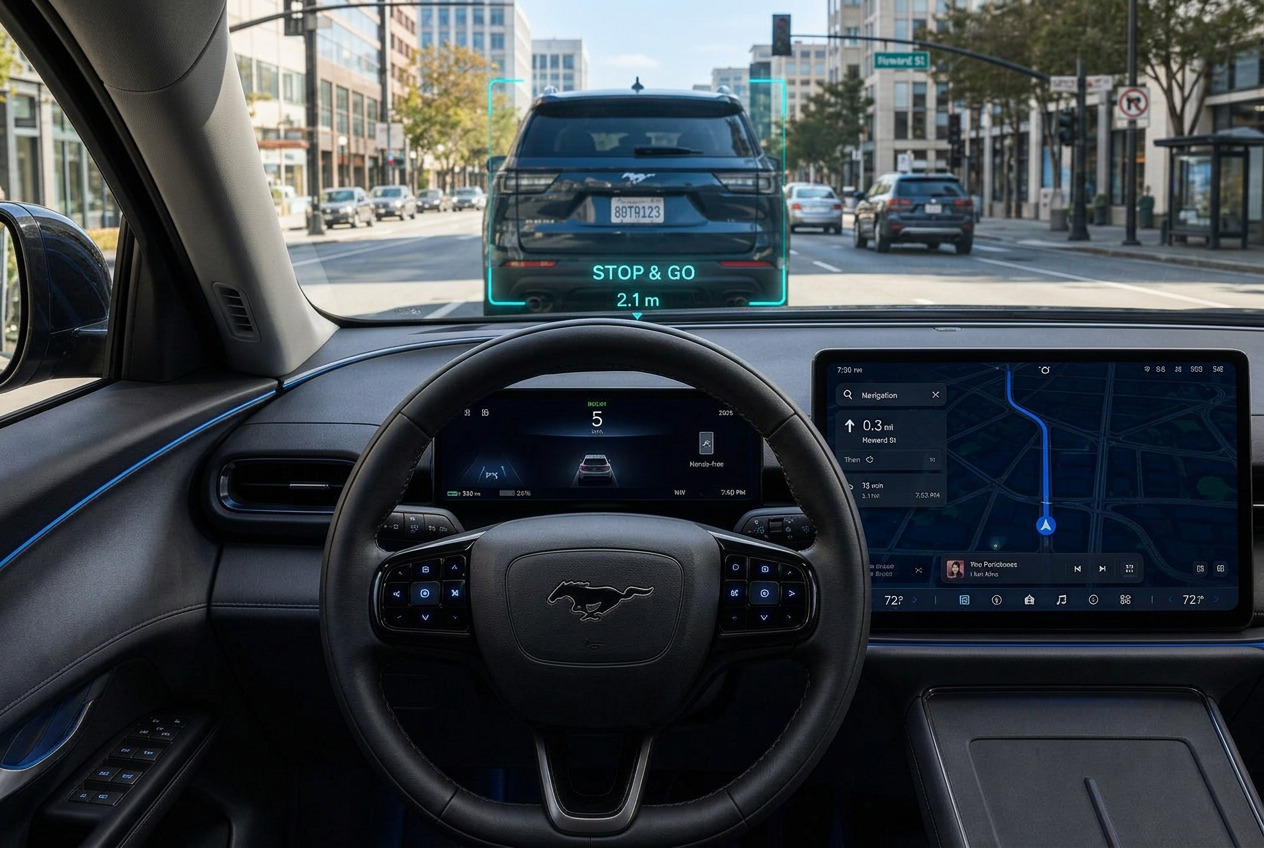
Stop and Go managing distance behind slow-moving traffic
Stop & Go

Congestion, managed

Lane departure warning on the driver display at night
Departure Warning

Drift, caught instantly

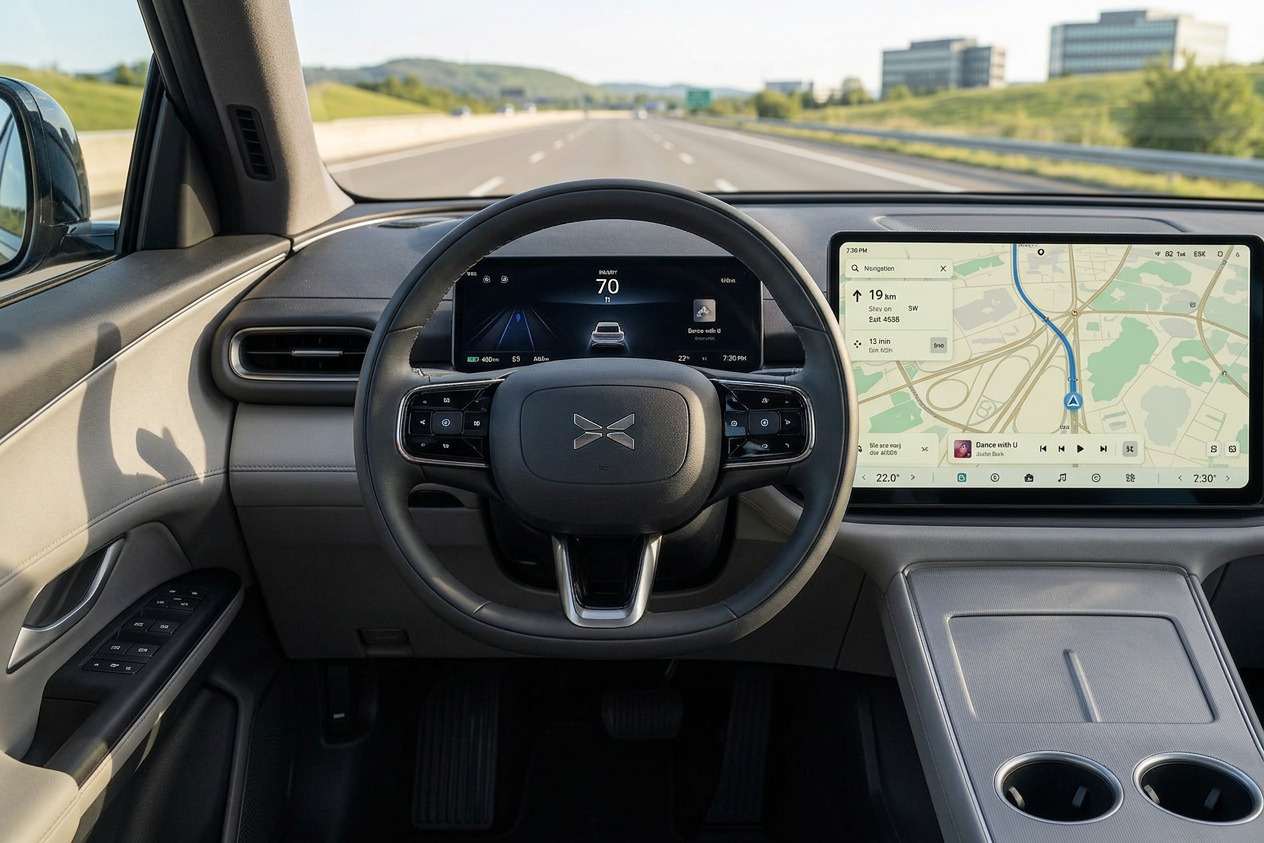
In-car display showing live driving state and navigation
Driver Display

See what it sees

The Roadmap

Three stages of autonomy

Driver display showing lane keeping and adaptive cruise engaged at highway speed
01
Stage 01 We Are Here

Assisted Driving

Your co-pilot for every drive.

  • Adaptive Cruise Control
  • Lane Change Assist
  • Lane Departure Warning
  • Stop & Go
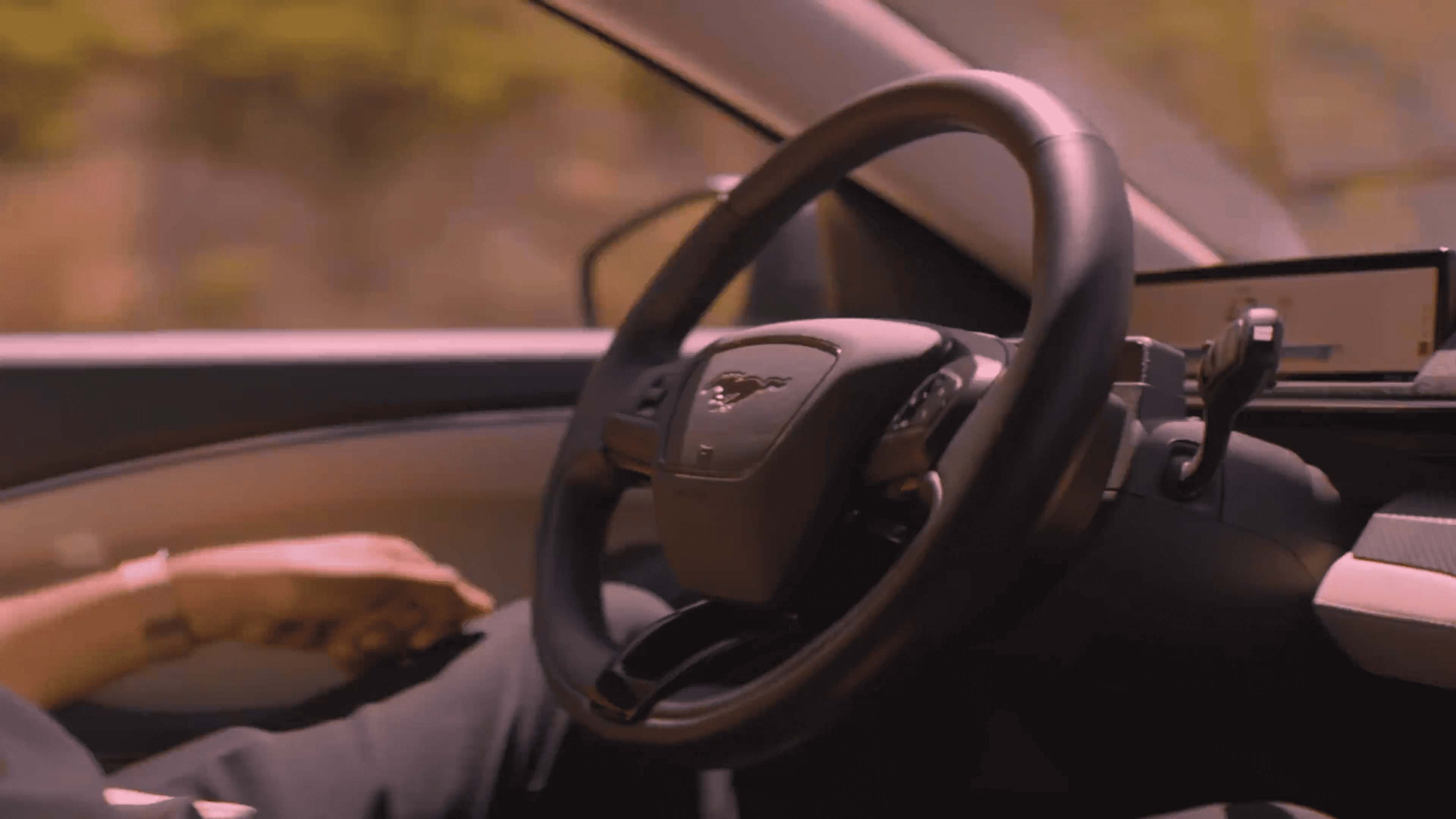
Cockpit interior showing the collaborative driving interface
02
Stage 02 In Development

Collaborative Driving

The car drives with you, not instead of you.
  • Drives with the person
  • Autonomous lane changes
  • Turns & intersections
  • Navigation-based driving
Open highway stretching ahead representing the fully autonomous Robotaxi destination
03
Stage 03 The Future

Robotaxi

A future of purpose-built vehicles designed for fully autonomous driving.
  • Purpose-built
  • End-to-end driving
  • Passenger-first
Research

Built on a foundation model.
Trained end to end.

Foundation Model - End-to-End Learning

Motion Prediction

Lead Vehicle Prediction

Vector Space Prediction

World Model

Occupancy Model

Stage 1, Today

How it works

Engage
01

Engage

Activate assisted driving with a single input. The system assists with speed, following distance, and lane keeping.
Supervise
02

Supervise

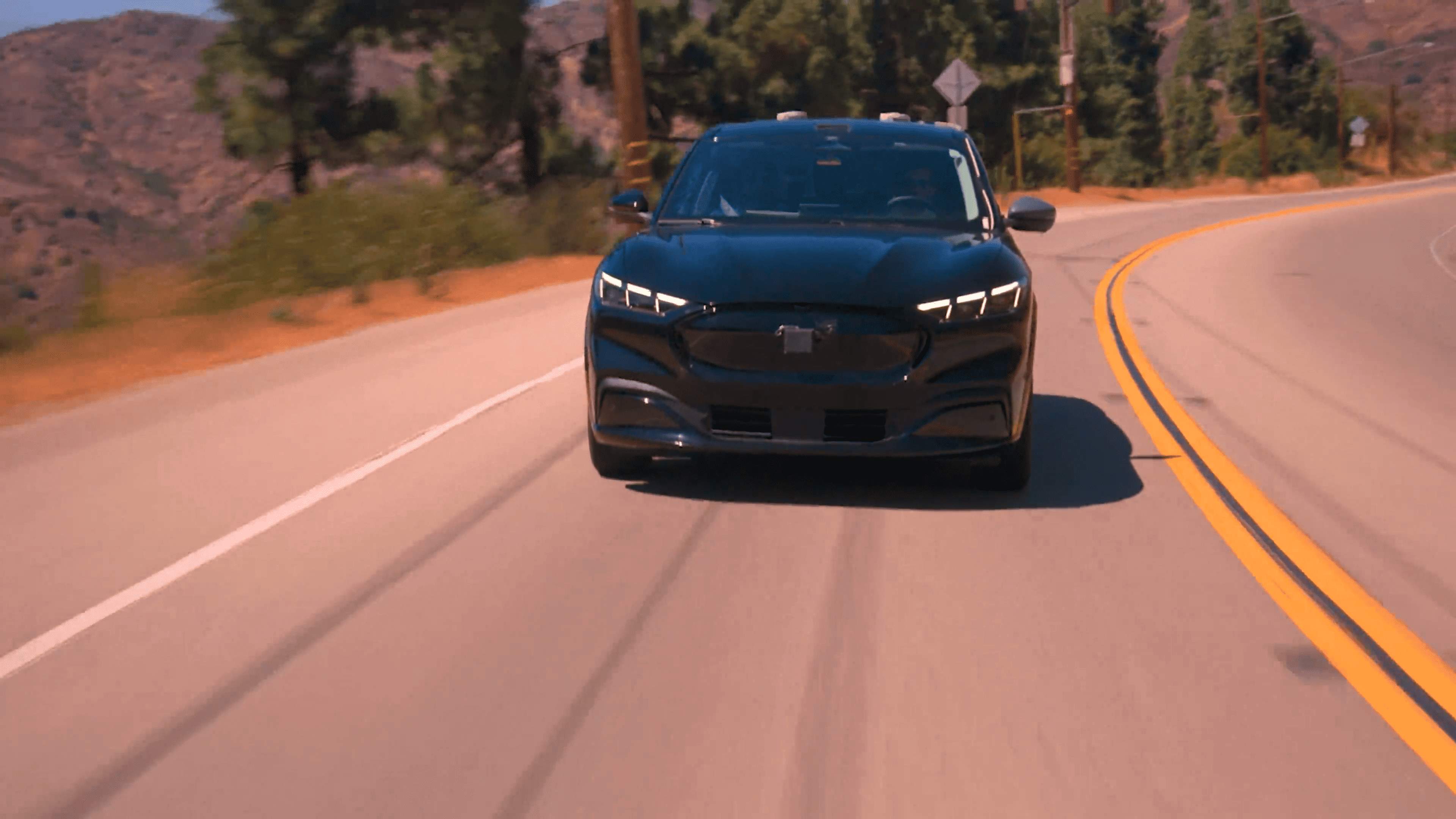
You stay in control. The car alerts you the instant your attention is needed.
Improve
03

Improve

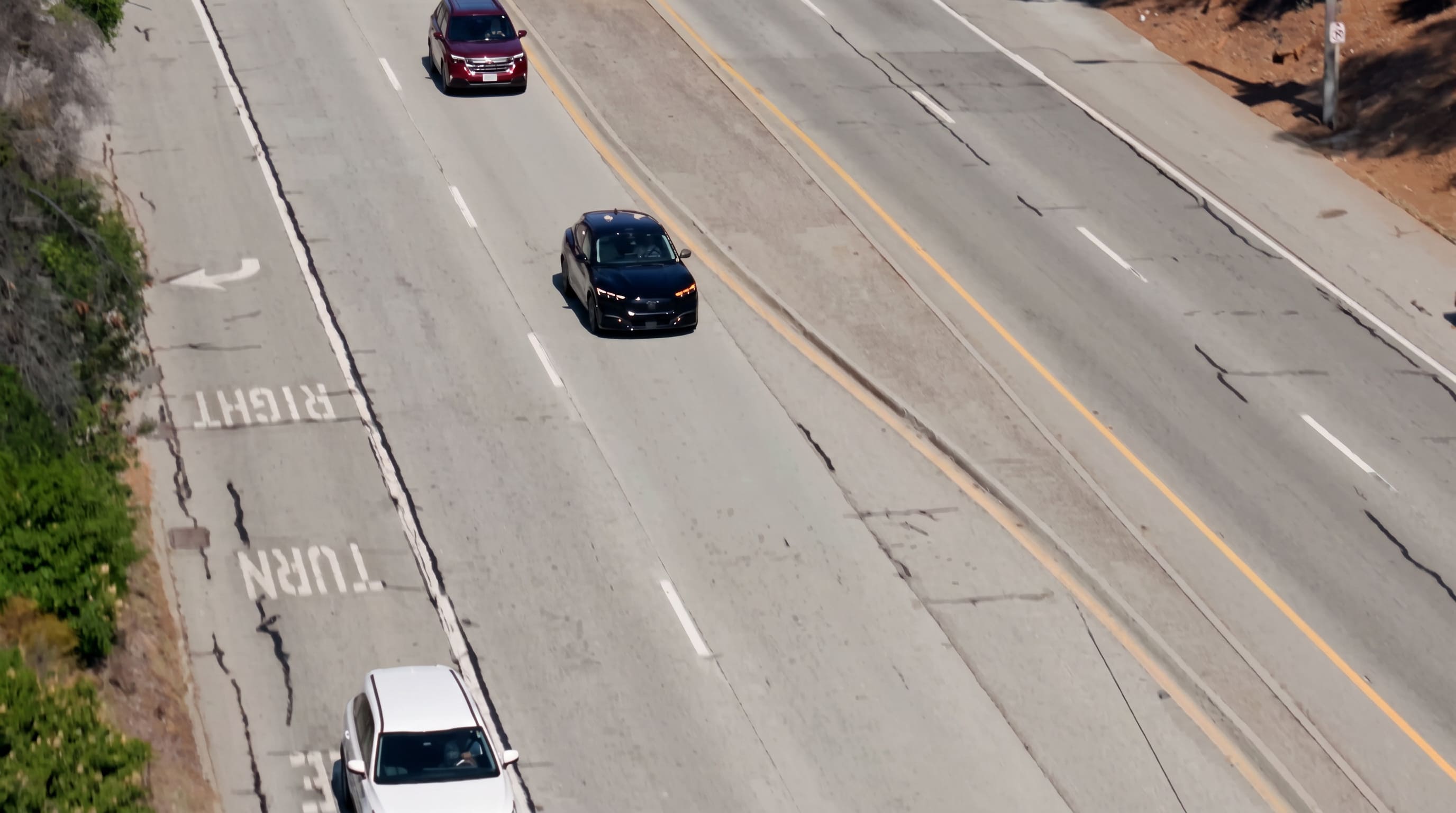
Every mile driven feeds back into the foundation model - expanding capability and coverage with each release.
Urban & suburban Open freeway Mixed traffic
Where We Drive

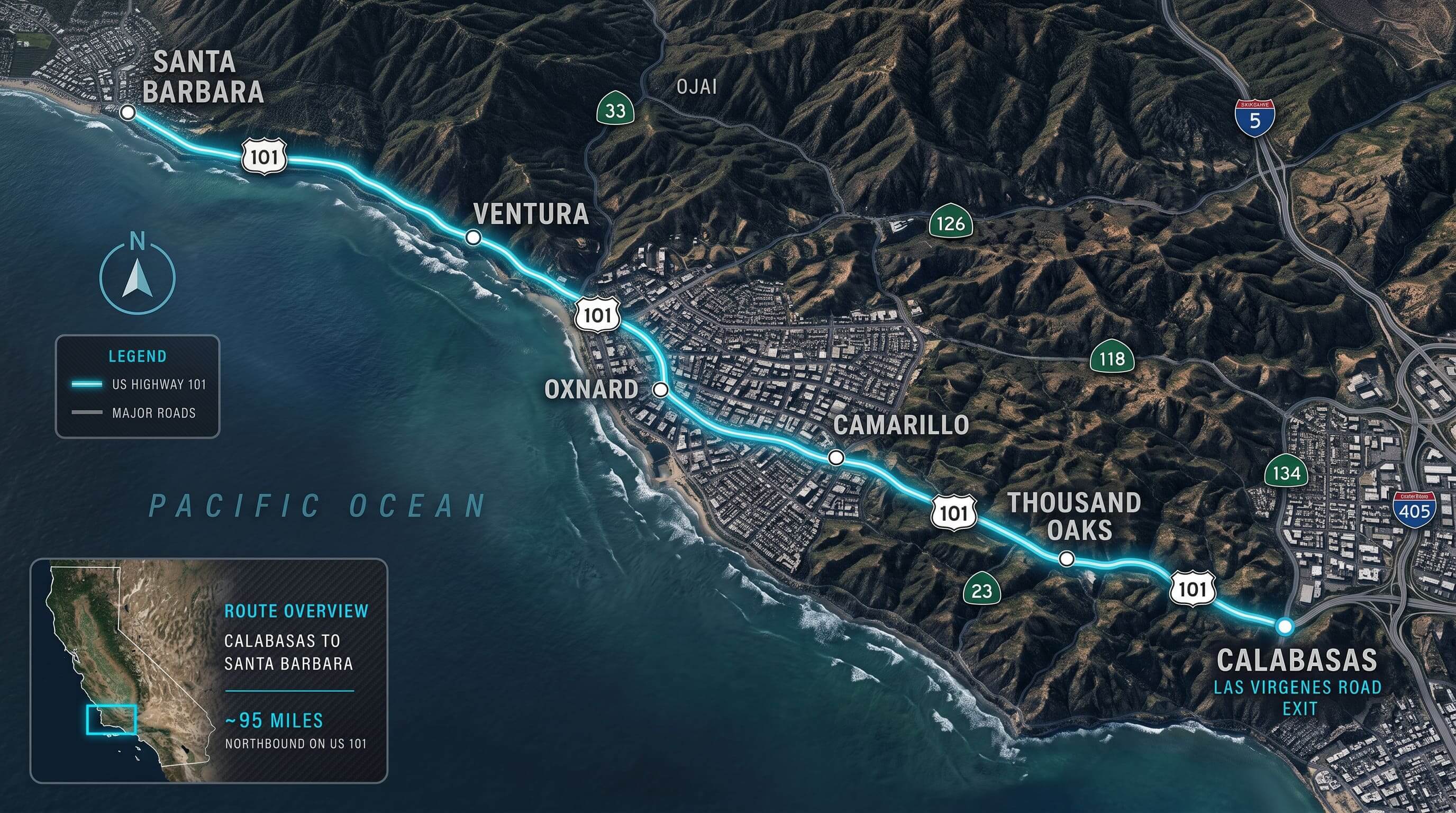
Proven on the 101

Stage 1 runs where people actually drive - the US-101 corridor from Calabasas to Santa Barbara, plus the arterials and signaled intersections of Southern California.

Urban & suburban

Open freeway

Mixed traffic

Built for Trust

Autonomy you can trust, because we earn it in stages.

One Model, Three Stages

Research-Driven

Safety as Architecture

Always Improving

Hardware

The whole stack,
for $1,500

Our assisted-driving (L2+) stack runs on a deliberately lean set of commodity sensors and compute - no exotic hardware.
  • Cameras ×2 $65 each
  • IMU $70
  • Compute $1,300
  • Total $1,500
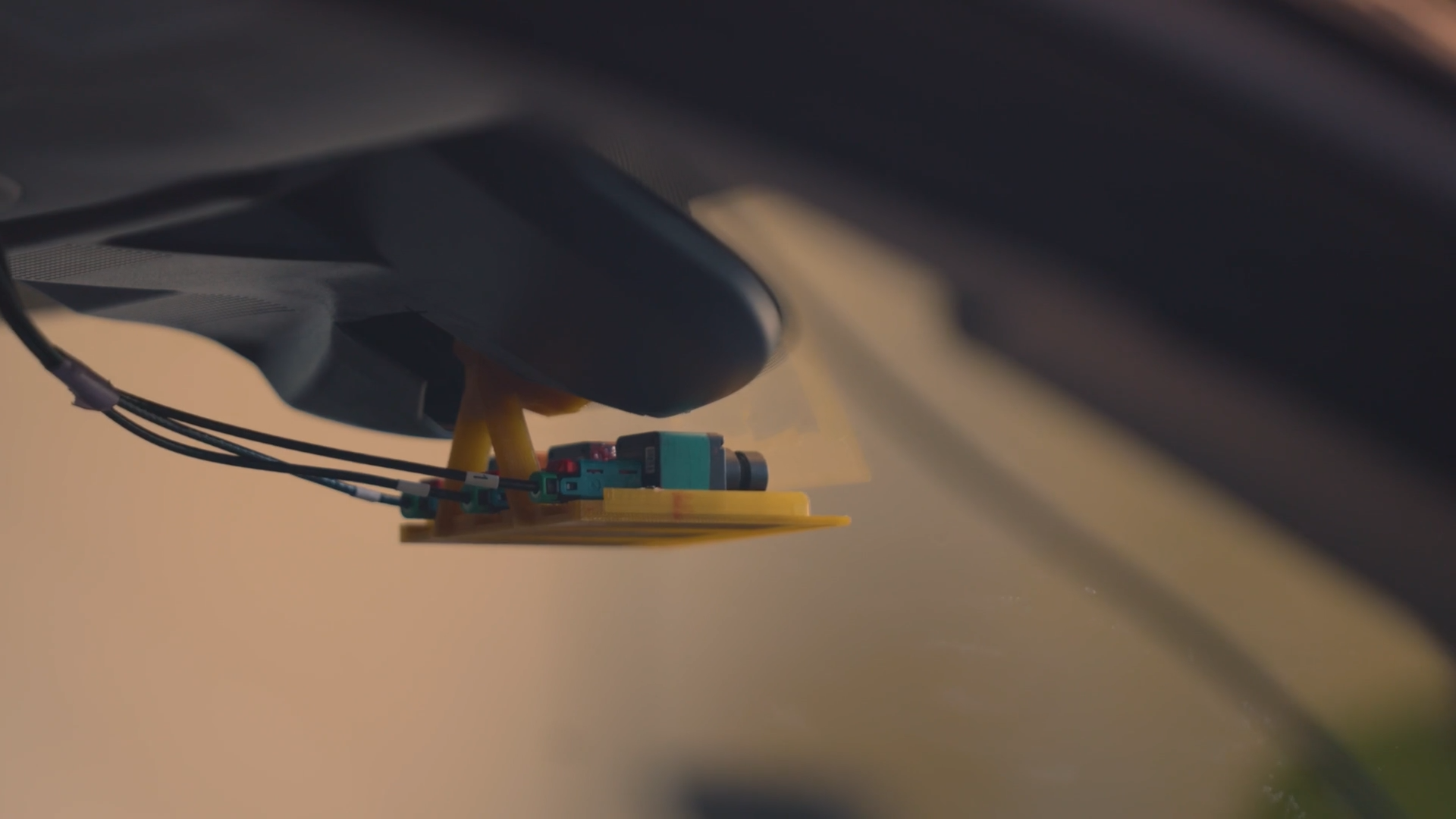
Camera installed behind rearview mirror on any vehicle
Universal Fit

A proprietary design for camera position that fits any vehicle.

It installs behind the rearview mirror on any vehicle — easily, and without changing anything about the car.

The Road Ahead

The future of driving arrives in stages.
Stage 1 is here.